Complete Guide to Bass Poles and Spools: Boost Your Fishing Experience With Superior Gear
The choice of bass rods and reels significantly impacts an angler's success on the water. Understanding the intricacies of rod types, reel choices, and gear ratios can enhance results. Upkeep and timely improvements also play crucial roles in enhancing the fishing experience. For those seeking to refine their approach, exploring these elements could lead to more productive outings. What considerations should every angler keep in mind when choosing their gear?
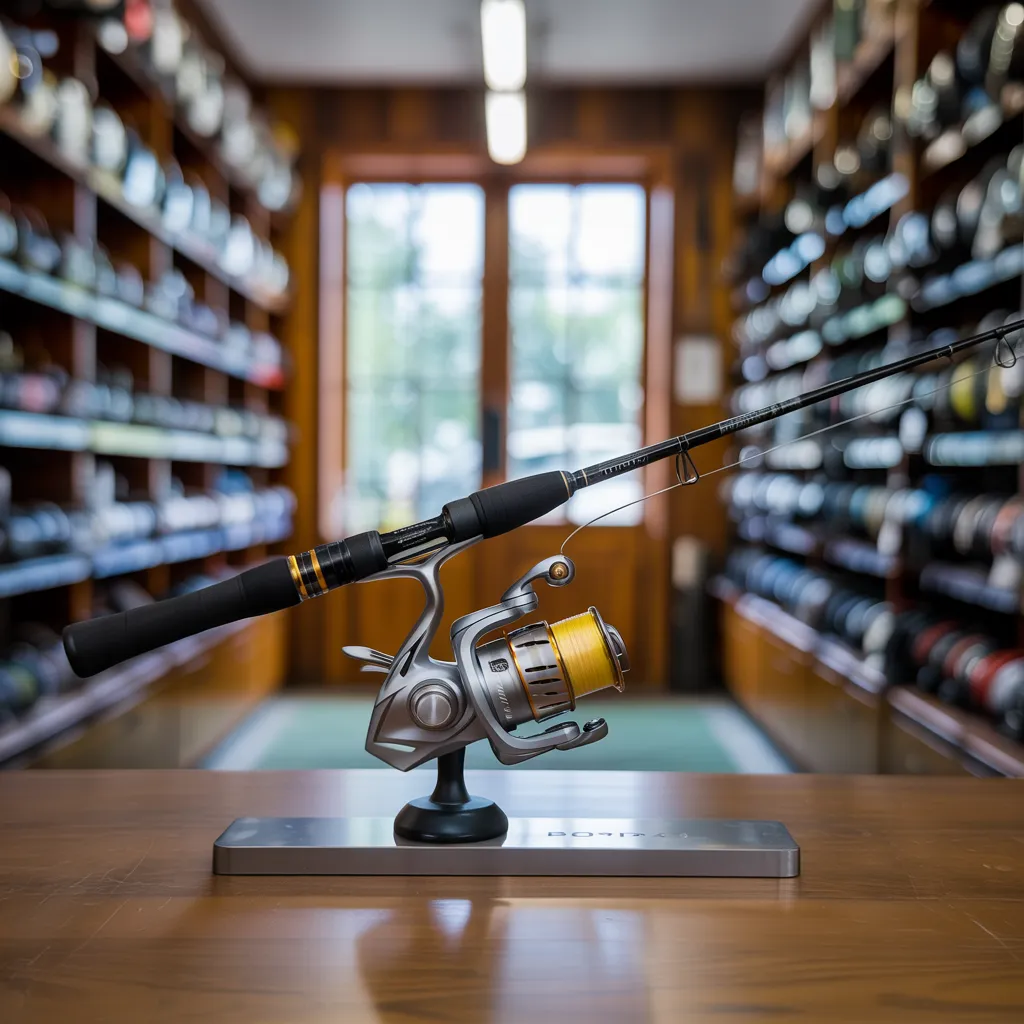
Discovering Bass Rod Styles: What You Should to Recognize
When choosing the right bass rod, anglers face a myriad of options designed to different angling approaches see here and conditions. Comprehending the different kinds of bass rods is essential for optimizing performance. Generally, bass rods are categorized into spinning, bait-casting, and fly rods, each designed for specific techniques. Spin rods provide flexibility and user-friendliness, making them perfect for beginners and finesse techniques. Bait-casting rods provide greater accuracy and precision, suited for heavier lures and more sophisticated presentations. Fly rods, while uncommon for bass fishing, can be useful in specific situations, especially in shallow waters.
Rod diameter and power also serve as important considerations; extended rods allow for greater casting distance, while various power ratings—from ultralight to heavy—determine responsiveness and durability. Anglers should evaluate their preferred techniques, target species, and fishing environments when picking the most suitable rod to boost their bass fishing experience.
Perfect Rods for Various Fishing Styles
Finding the suitable rod for various angling approaches can significantly boost an angler's success on the water. For delicate methods, such as drop-shotting or shaky heads, a light-to-medium spinning rod with a responsive tip is perfect, enabling precise casts. When targeting heavy cover or employing jigs, a heavy-duty casting rod offers the strength and backbone needed to handle larger fish and navigate obstacles. For surface fishing, a moderate-action rod delivers a combination of responsiveness and strength, enabling successful hook sets.
Anglers looking for versatility may favor a medium-heavy rod, suitable for a variety of techniques. Furthermore, for those angling in open water or using swimbaits, a longer rod enhances distance when casting and control. Ultimately, selecting the right rod not only matches the chosen fishing style but also leads to a more enjoyable and productive fishing experience.
Spinning versus Baitcasting: What Fishing reel Will You Decide For?
Grasping the distinctions between spinning and baitcasting reels is essential for anglers looking to optimize their gear for specific fishing techniques. Spinning reels are generally easier to use, making them suitable for beginners. They feature an open face, allowing for quick line retrieval and the ability to cast lighter lures accurately. This design also minimizes tangles, enhancing user experience.
Conversely, baitcast reels provide better command over casting velocity and distance, attracting to veteran anglers. They are suited for heavier lures and deliver outstanding sensitivity, which is beneficial when detecting bites. Yet, baitcasting reels require considerable practice to master, as line tangles can develop if not operated correctly.
Ultimately, the preference between baitcasting and spinning reels should match the angler's skill level, fishing style, and the particular conditions of the water being fished. Each type presents unique advantages that can greatly impact the fishing experience.
Understanding How Gear Ratios Determine Your Fishing Experience
Gear ratios function as an important aspect in establishing how efficiently an angler can engage with their catch. High gear ratios permit for quicker line retrieval, making them ideal for fast-moving methods. Conversely, low gear ratios offer greater power, which can be helpful for reeling in larger fish or making precise placements.
Elevated Gear Ratio Advantages
While many anglers prioritize rod length and action, the gear ratio of a reel is essential in enhancing the fishing experience. High gear ratios, usually between 6:1 to 8:1, offer swifter line retrieval, a feature that is crucial when going after active fish or when quick retrieves are necessary. This speed lets anglers to respond quickly to strikes, increasing hook-up potential. Moreover, high gear ratios allow for efficient lure presentation, particularly for styles demanding quick motion, such as topwater fishing or jigging. The capability to recover line quickly also minimizes the time spent reeling in slack, prolonging the bait's presence in the strike zone. In sum, high gear ratios considerably boost responsiveness and effectiveness during fishing sessions.
Low Gear Ratio Benefits
Although high speed ratios are often commended for their speed, low gear ratios, typically ranging from 4:1 to 5:1, offer distinct advantages that can enhance the fishing experience in various situations. One key benefit is increased torque, allowing anglers to retrieve heavier baits and fight larger fish with superior management. This is particularly beneficial in situations where exactness and power are essential, such as when fishing in thick cover or targeting stubborn species. Additionally, low gear ratios facilitate a slower, more methodical retrieve, ideal for engaging fish that are less aggressive. The added control also lowers fatigue during extended fishing sessions, making it easier to maintain focus and technique. Overall, low gear ratios are invaluable tools for serious anglers.
Vital Gear for Successful Bass Fishing
To be successful at bass fishing, anglers must have essential equipment that enhance both experience and effectiveness. Among these, a sturdy tackle box is key for organizing lures, hooks, and tools, guaranteeing quick access to gear during fishing. A quality fishing line, especially braided or fluorocarbon, gives strength and sensitivity, which is critical for detecting bites. Furthermore, a dependable net helps in safely landing fish without damage.
Polarized sunglasses are vital for reducing glare on the water, enabling anglers to detect fish and underwater structures with ease. A fishing hat or buff provides protection from the sun, ensuring comfort during long hours outdoors. In conclusion, a fish finder can dramatically improve success rates by determining the best spots to cast. These accessories, when put together, create a complete toolkit that strengthens the overall bass fishing experience, making outings more productive and delightful.
How to Keep Your Rods and Reels in Top Condition
Maintaining gear in excellent condition is vital for any bass fisher pursuing consistent results on the water. Regular maintenance is important; following each fishing excursion, rods need to be wiped down to remove dirt and salt, while reels gain from disassembly and detailed cleaning to prevent corrosion. Oil application of moving parts enhances performance and lengthens lifespan.
Examining guides and tips for wear or cracks ensures smooth line movement, decreasing breakage during use. Additionally, positioning rods vertically or in protective cases stops unnecessary bending and damage.
Reels need to be stored in a dry, cool environment, away from direct sunlight, to avoid deterioration of materials. Checking line regularly for frays and changing it as required maintains optimal casting ability. By adhering to these methods, anglers can ensure their equipment stays dependable and prepared for use, in the end improving their fishing experience.
Updating Your Tools: When and Why to Invest
Upgrading fishing gear can greatly enhance performance and enjoyment on the water. Identifying indications of aging gear is vital, as is understanding the benefits that come with new innovations. Additionally, strategic financial planning for equipment improvements guarantees anglers can make educated purchasing decisions without exceeding budgets.
Signs Your Gear Is Outdated
While anglers pursue the perfect catch, they may not be aware that their tackle can become outdated over time. Clues of outmoded equipment include visible damage, such as tattered lines or cracked rods, which can hinder performance. Additionally, outdated reels might be without smooth drag systems or consistent gear ratios, affecting casting accuracy and efficiency in retrieval. If an fisherman often experiences gear malfunctions or variable performance, it may suggest the need for an upgrade. Moreover, advancements in fishing technology, such as lighter gear and advanced sensitivity, can boost the complete fishing experience. Recognizing these indicators is essential for maintaining an productive fishing setup and securing peak results on the water. Upgrading tackle can ultimately lead to more successful fishing expeditions.
Benefits of Enhancing Equipment
Putting resources into modern fishing equipment can significantly enhance the angler's time spent angling. Upgrading gear gives multiple benefits, such as improved touch and efficiency. Rods built with advanced technology often feature lightweight and high sensitivity that allow anglers to better sense faint bites. Also, modern reels provide improved drag mechanisms and higher gear ratios, allowing speedier line retrieval and improved fish control. Stronger materials add to toughness, making sure the equipment endures rough elements, thereby lengthening its durability. In addition, upgraded gear can enhance how far and precisely you cast, making it better to fish in tricky locations. At the end of the day, investing in premium gear can result in better angling outcomes and a deeper enjoyment of the sport.
Planning Your Finances for Gear Upgrades
Figuring out the right time to upgrade fishing gear requires careful consideration of personal finances and angling needs. Anglers should begin by assessing their current gear's performance and spotting any specific limitations that affect their experience. Setting a budget is crucial; it enables prioritizing upgrades that will provide the most important benefits. Taking advantage of seasonal sales and promotions can also result in substantial savings. Furthermore, anglers ought to consider the long-term benefits of investing in higher-quality gear, as it frequently means improved performance and durability. In the end, the choice to upgrade should be in line with financial ability and an authentic need for enhanced functionality, ensuring the investment results in a better fishing experience.
Commonly Asked Inquiries
What Length Rod Is Optimal for Beginners?
A 6 to 7-foot rod serves as an ideal choice for beginners, providing a equilibrium of range and mastery. This length facilitates easier casting and better accuracy, making it suitable for different fishing conditions and techniques.
How Do I Select the Right Line for My Spool?
Selecting the appropriate line for a reel means evaluating the fish species, water conditions, and fishing techniques. Line strength, type (monofilament, braided, or fluorocarbon), and diameter play vital roles in ensuring successful fishing experiences.
What Are the Perks of Using Fluorocarbon Line?
Fluorocarbon line gives reduced visibility in water, excellent abrasion protection, and little stretch, enhancing sensitivity and hook sets. Its density facilitates for improved sinking, making it excellent for finesse techniques and clear water conditions.
How Do Environmental Factors Impact Bass Fishing?
Atmospheric circumstances substantially determine bass fishing by shaping water temperature, light penetration, and fish behavior. Overcast days often deliver better catches, while bright sunlight can push bass deeper, modifying their feeding patterns and locations.
Can Saltwater Equipment Be Employed for Freshwater Bass Angling?
Yes, saltwater gear can be put to use for freshwater bass fishing. However, anglers should review the rod's action and reel's gear ratio to confirm excellent performance, as saltwater equipment may be heavier and less sensitive.